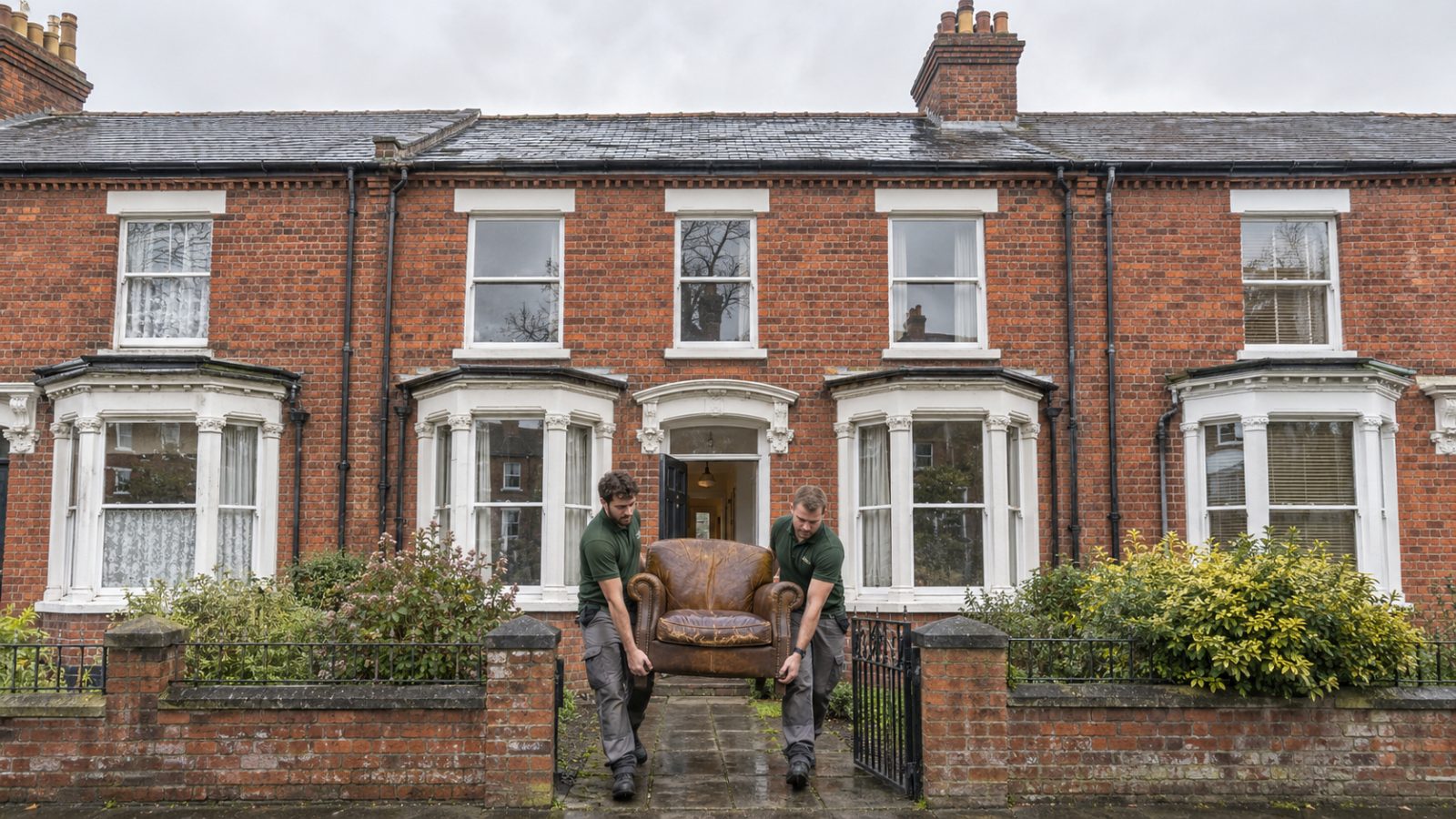
Clearance Following Bereavement
Probate House Clearance in Preston
Explain the property's circumstances in your own time. Get a Free Estimate
Clearing a home after someone has died can be an emotional and complicated responsibility. The property may contain decades of memories, important paperwork and possessions that several family members wish to examine. There can also be practical pressures connected with insurance, maintenance, a future sale or the administration of an estate.
Preston House Clearance accepts probate house clearance enquiries and forwards them to an independent local contractor. The contractor contacts the person making the arrangements, discusses the property and provides an estimate. A clearance should only proceed when the appropriate person has authority to authorise it and the important belongings have been identified.
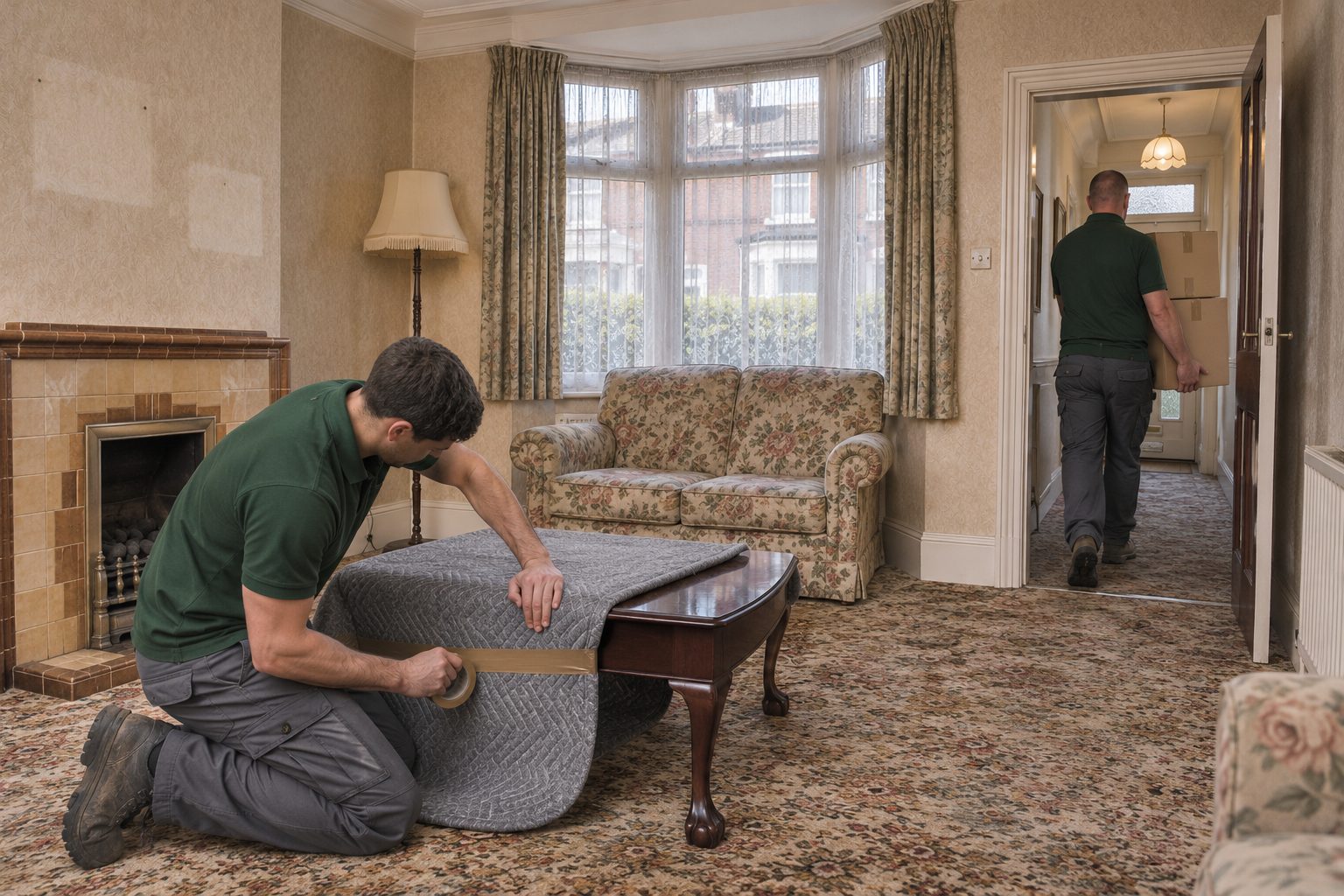
Probate clearance is about more than removing furniture. Decisions about ownership, sentimental belongings and estate administration should be handled before the physical work begins. The contractor's role is to perform the agreed removal, not to make legal or family decisions.
Check photographs, correspondence, jewellery, personal records and items mentioned in a will or requested by family members. It can help to create a written list or set aside a room for possessions being retained. The contractor should not be asked to decide whether an item has sentimental or legal significance.
An executor or other authorised person may be coordinating the property from outside Preston. Establish who can approve work and who will provide access. If several people are involved, a single agreed point of contact can reduce confusion about the contents and intended date.
Some families prefer to remove important belongings first, then arrange a larger clearance once decisions are complete. Others may only need selected rooms cleared initially. Explain the proposed stages so the contractor can assess the actual amount of work rather than assuming the whole property is ready.
Once the appropriate decisions have been made, a clearance can help prepare an inherited home for cleaning, repairs or marketing. Discuss whether appliances, garden storage or other contents form part of the proposed work. A property being sold does not automatically require every fixture or furnishing to be removed.
You can explain the circumstances without giving unnecessary personal information. We focus on passing along the practical requirements.
The person responsible for the property can discuss access, retained possessions and the estimate with the independent contractor.
Submit the request when the estate is ready for clearance planning. Confirm the required authority and family decisions before agreeing the work.
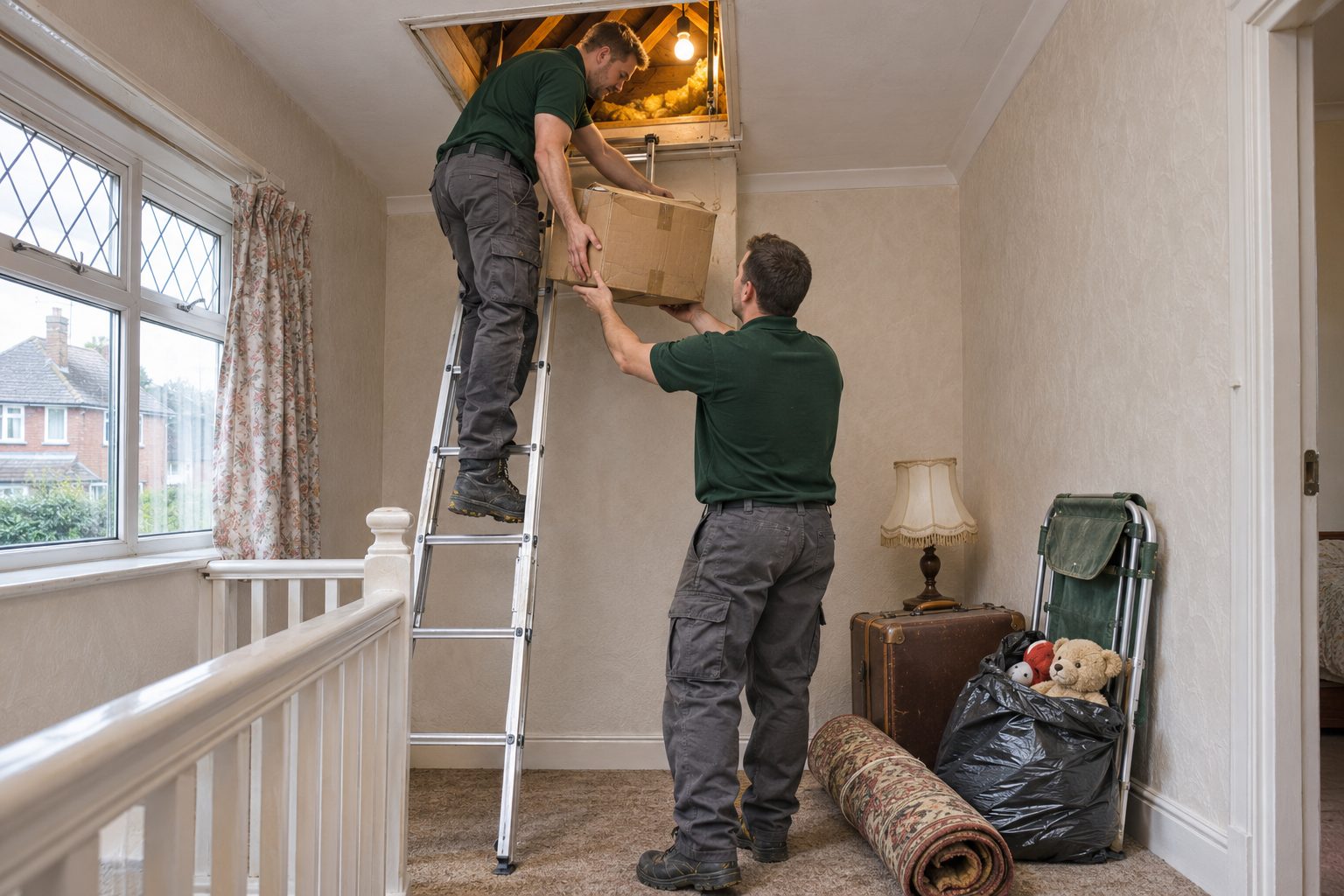
When the property is ready, send us the practical details and an independent contractor can discuss the next steps.
Free — no obligations
Make sure the person authorising the removal has the necessary authority and any relevant estate decisions have been addressed.
Identify family keepsakes, paperwork and items requiring further consideration before instructing a clearance.
We forward the enquiry to an independent local contractor who can discuss the property's contents and provide an estimate.
Confirm access, scope, timing and any written instructions with the contractor before the clearance takes place.
The answer depends on the estate and who has legal authority to act. Seek appropriate legal advice where necessary, and do not authorise the removal of belongings unless the relevant authority is clear.
A remote arrangement may be possible if the contractor agrees and suitable access is available. Explain who holds the keys and who can approve decisions about the property.
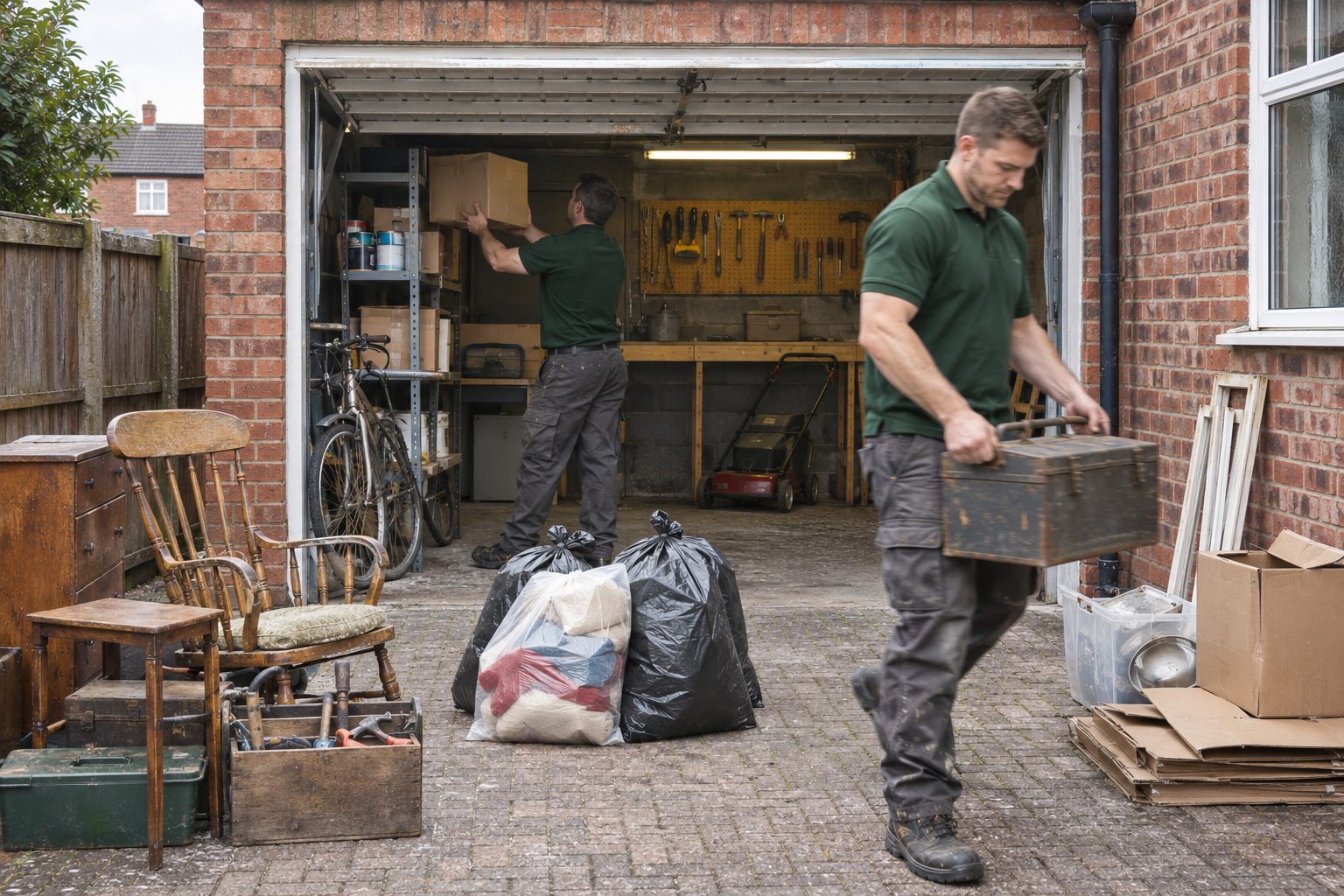
Important possessions should be identified and preferably removed or placed in a clearly protected area before work begins. Give the contractor explicit instructions about anything that must remain untouched.
Yes, you can describe the stages you have in mind. The contractor can assess each proposed phase and explain the arrangements for the work.